
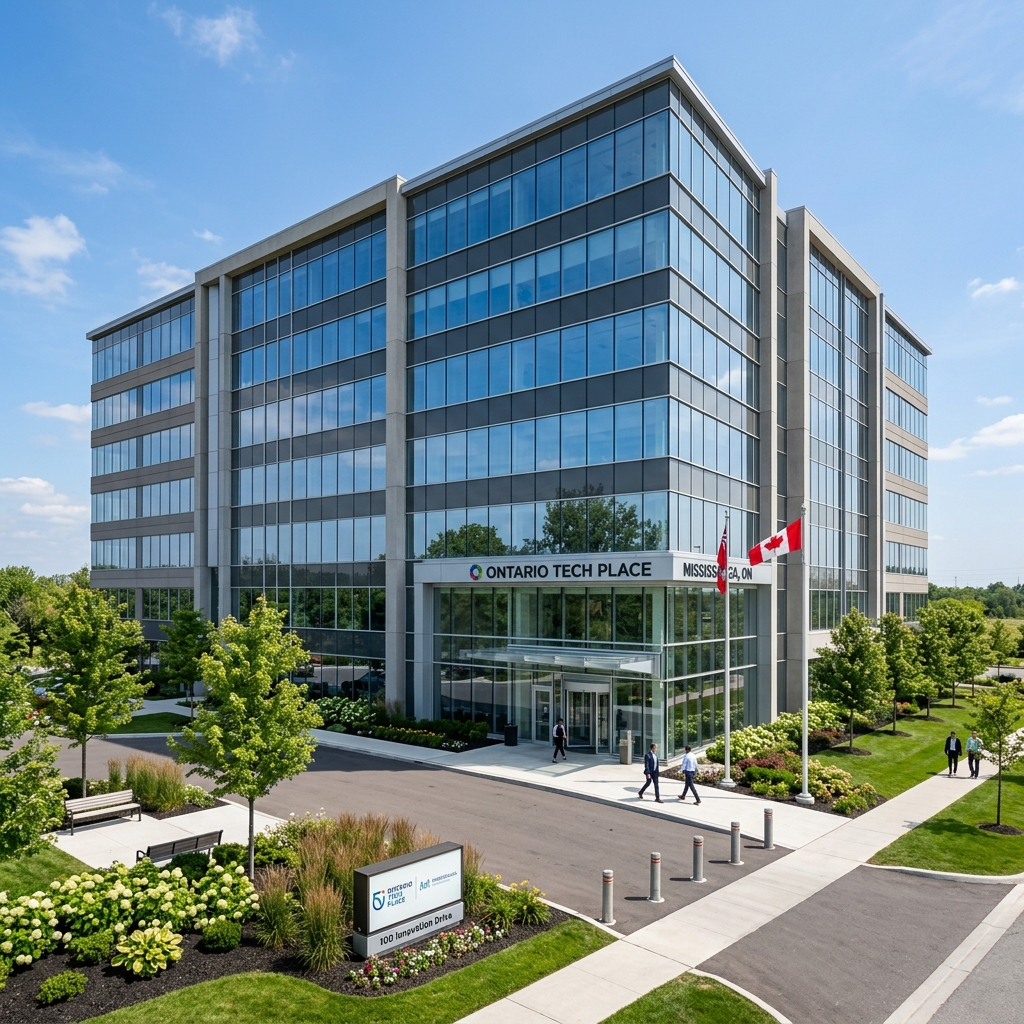
If you manage or own commercial real estate in Ontario, you already understand that facility maintenance is radically different from residential upkeep. The scale of the infrastructure, the volume of traffic, and the sheer financial liability involved require a completely different operational mindset. Whether you operate a sprawling logistics warehouse in Mississauga, a busy retail plaza in Markham, or a mid-rise corporate office building in downtown Toronto, commercial buildings face relentless wear and tear that simply does not exist in the residential sector.
But managing a commercial facility isn't about fixing things when they finally break down and tenants begin to complain. Operating on a reactive basis is the fastest route to catastrophic failure and massive financial loss. Maintaining a commercial property here comes with a highly specific set of stringent municipal fire codes, extreme seasonal weather challenges, and massive liability risks that can bankrupt an unprepared corporation.
Commercial landlords and property management firms must adopt a hyper-vigilant approach. Here is what you absolutely need to prioritize to protect your commercial asset and maximize your long-term return on investment.
Proactive Facility Maintenance vs. Reactive Repairs

You cannot run a commercial building on a "fix it later" mentality. The financial penalties for deferred maintenance in a commercial setting scale exponentially compared to a residential home. A proactive Facility Maintenance Schedule is not an optional luxury expense; it is the fundamental baseline of competent asset management. When you are managing commercial spaces, preventative infrastructure servicing is what keeps your building operational, your insurance premiums low, and your tenants paying rent on time.
The Catastrophic Financial Cost of Delay
If you are waiting for a tenant to complain about a water leak before you inspect the roof, you are already losing money. Reactive repairs almost always involve exorbitant emergency dispatch fees, premium after-hours labor rates, and significant collateral damage to the surrounding infrastructure. If a small plumbing leak inside a demising wall is ignored, that water destroys the commercial-grade drywall, ruins the specialized carpeting, and potentially damages your tenant's expensive inventory—leaving you legally liable for massive business interruption claims. By establishing a strict schedule for quarterly preventative inspections, you catch micro-failures before they trigger a cascade of systemic breakdowns.
Predictive Budgeting and Capital Reserves
Implementing a proactive strategy allows ownership groups to accurately forecast capital expenditures. Rather than being blindsided by a $150,000 emergency chiller replacement in the middle of a July heatwave, property managers can utilize predictive lifecycle analysis. This means systematically evaluating the remaining useful life of every major mechanical and structural component. When you fail to maintain adequate capital reserves based on predictive maintenance data, you will be forced into high-interest emergency financing just to keep the building open.
Winterization and Freeze-Thaw Risks

The Ontario climate is uniquely brutal on large-scale infrastructure. Our extreme temperature fluctuations—plunging into deep, punishing freezes in January and rapidly thawing during unseasonable February warm spells—put immense mechanical stress on building envelopes. When you are winterizing a commercial facility, managing water diversion and accommodating thermal expansion is absolutely critical to preventing catastrophic structural degradation.
Flat Roofs and Heavy Snow Loads
Unlike residential pitched roofs which naturally shed precipitation, most commercial buildings utilize sprawling flat roof systems (such as EPDM, TPO, or modified bitumen). These expansive systems are highly susceptible to ponding water and massive snow accumulation during major blizzards. If your internal roof drains and scuppers become clogged with autumn debris, the winter freeze-thaw cycle will expand the trapped, freezing water, tearing open the delicate membrane and flooding your top-floor executive tenants. You must have a certified roofing contractor perform rigorous pre-winter drain clearing and comprehensively verify the integrity of the mastic flashing around all HVAC penetrations.
Concrete Deterioration and Aggressive Salting
Your multi-level parking garage and expansive exterior concrete walkways absorb a tremendous amount of punishment from highly corrosive de-icing salts and relentless freezing temperatures. Salt brine aggressively penetrates porous, unsealed concrete. When that brine freezes, it expands with terrifying force, causing widespread spalling, delamination, and severe structural cracking. If you neglect regular concrete sealing and hot-pour crack routing, the structural rebar inside the concrete will begin to violently rust and expand, irrevocably compromising the structural integrity of your entire parking deck and triggering millions in repair costs.
Plumbing Winterization in Unconditioned Spaces
Many commercial facilities feature unconditioned loading docks, subterranean parking levels, or exterior storage areas that contain vital plumbing lines. These lines must be aggressively protected against the cold. Installing commercial-grade heat tracing cables and heavy-duty elastomeric pipe insulation is mandatory. A frozen and burst commercial fire sprinkler main will unleash thousands of gallons of black, stagnant water per minute, completely destroying the facility and forcing an immediate, government-mandated evacuation.
Extending the Lifespan of Commercial Paving
Beyond the concrete structures, the asphalt paving in your commercial lots requires continuous attention. Potholes are not merely an aesthetic issue; they are a severe trip-and-fall hazard that invites aggressive personal injury lawsuits. By implementing a proactive asphalt maintenance program that includes sealcoating every three years and immediate hot-mix patching of emerging potholes, property managers can double the lifespan of their paving. If you allow water to penetrate the asphalt sub-base through unsealed cracks, the entire parking lot will undergo catastrophic alligator cracking, necessitating a complete, multi-million-dollar tear-out and repave. Ensuring that catch basins are structurally sound and perfectly flush with the paving surface also prevents pooling water from deteriorating the surrounding asphalt during the freezing winter months.
Upgrading Exterior Commercial Illumination
Security and visibility are paramount for any commercial plaza or office park. Outdated metal halide or high-pressure sodium fixtures consume exorbitant amounts of electricity while providing inferior, color-distorted illumination. Retrofitting your entire exterior lighting infrastructure with high-efficiency, smart LED fixtures offers a tremendous return on investment. These modern systems not only drastically slash your monthly hydro expenditures but also significantly enhance the safety profile of your property. If a tenant's employee or a customer is assaulted in a poorly lit parking lot, the property owner will face severe legal scrutiny regarding their failure to provide adequate security lighting. Proactively upgrading these systems demonstrates a documented commitment to tenant safety while simultaneously upgrading the curb appeal of the facility.
Comprehensive Elevator Maintenance Protocols
For mid-rise and high-rise commercial buildings, vertical transportation is the absolute lifeblood of the facility. Elevators are astonishingly complex, heavily regulated machines that require constant, meticulous servicing. A robust elevator maintenance contract is non-negotiable. Technicians must routinely inspect the hydraulic systems, traction cables, governor ropes, and door operator mechanisms. If your property management team repeatedly ignores warning signs such as misaligned leveling or unusual mechanical noises, the elevator could experience an catastrophic entrapment or free-fall scenario, leading to massive lawsuits and immediate intervention by the Technical Standards and Safety Authority (TSSA). Modernizing outdated elevator control systems not only prevents these terrifying failures but also dramatically improves ride quality and significantly reduces wait times for your valuable corporate tenants.
Advanced Commercial Roofing Diagnostics
Do not wait for a visible stain on a ceiling tile to evaluate your commercial roof. Implement infrared thermography scanning on a bi-annual basis. This advanced diagnostic technique uses thermal imaging cameras to detect trapped moisture beneath the roofing membrane, long before it penetrates the structural decking. By identifying these hidden anomalies, roofing contractors can perform targeted, surgical repairs rather than recommending a complete roof replacement. If moisture is allowed to fester within the insulation layer of a flat roof, it destroys the thermal resistance (R-value) of the building, causing heating and cooling costs to skyrocket uncontrollably. Proactive diagnostics save hundreds of thousands of dollars in premature replacement costs and protect the critical assets housed within the facility.
Quarterly Commercial HVAC and RTU Servicing

The cardiovascular system of any commercial building is its massive, complex HVAC infrastructure. In Ontario, municipal regulations and provincial building codes often mandate specific, mathematically calculated ventilation rates for varying types of commercial occupancy. Relying on outdated, inefficient, or unserviced units is a massive liability. Doing unpermitted HVAC modifications or systematically neglecting scheduled maintenance will immediately void your expensive manufacturer equipment warranties and violate strict commercial lease agreements.
Rooftop Units (RTUs) and Critical Air Quality
Commercial Rooftop Units (RTUs) endure the absolute worst of the unforgiving Canadian weather. They bake in blistering 40-degree summer heat, enduring direct UV radiation, and then freeze solid in howling minus-20 winter winds. A mandatory, contractually enforced Quarterly HVAC Maintenance Plan is required to replace specialized high-MERV filters, precisely check refrigerant subcooling levels, and rigorously inspect sensitive heat exchangers. If a critically cracked heat exchanger is left unserviced, it can leak lethal, odorless carbon monoxide down into the densely populated tenant spaces below, resulting in mass casualties and corporate manslaughter charges. Furthermore, a failing, struggling RTU will consume massively more electricity, completely destroying your operational budget with exorbitant, compounding hydro bills.
Make-Up Air Units and Building Pressurization
Large commercial facilities, particularly those with restaurants, manufacturing floors, or massive underground parking garages, rely heavily on Make-Up Air Units (MAUs). These units temper and inject fresh outside air to replace the air being mechanically exhausted. Proper calibration of these units is essential for maintaining correct positive building pressurization. If your building becomes negatively pressurized due to failing MAUs, every time an exterior door opens, freezing winter air will blast into the lobby, freezing sprinkler pipes and making the main floor completely uninhabitable for your retail tenants.
Building Envelope, Tuckpointing, and Caulking

A compromised, failing building envelope is the single fastest way to destroy the underlying asset value of a commercial property. If your building cannot properly shed driving rain and resist heavy wind loads, the internal steel and timber structure is already secretly rotting away. You must proactively manage the exterior facade to ensure the building envelope remains hermetically sealed against the elements.
Masonry and Crucial Structural Integrity
Older commercial buildings in Ontario often feature beautiful, historically significant brick or block masonry facades. However, the mortar holding those thousands of bricks together has a finite, unavoidable lifespan. When the mortar begins to crumble and turn to dust, water infiltrates the deep cavity behind the brick. Tuckpointing (the highly specialized process of grinding out and replacing degraded mortar) is essential to halt this decay. If you continually ignore failing masonry on a high-rise structure, the brick face will literally detach from the building substrate and collapse violently onto the public pedestrian sidewalk below.
Commercial Grade Caulking and Glazing Seals
Every single window framing system, exterior door, and massive concrete expansion joint in a commercial building relies heavily on commercial-grade polyurethane sealants. Over time, relentless UV exposure and extreme temperature swings bake these sealants until they aggressively crack, shrink, and pull away from the substrate. Replacing the caulking on a mid-rise or high-rise building is a significant, complex undertaking that requires specialized swing stages, suspended scaffolding, and certified safety rigging. Failing to maintain these critical window seals guarantees that driving, wind-swept rain will penetrate the building, leading to massive, hidden black mold infestations growing inside the dark wall cavities.
Fire Code Compliance and Liability Protection

Commercial property maintenance is heavily, aggressively governed by the Ontario Fire Code and strict municipal by-law enforcement officers. This is not a helpful suggestion or a mere guideline; it is the absolute, uncompromising law. Protecting yourself, your corporation, and your board of directors requires militant adherence to life-safety regulations.
Life Safety Systems and Mandatory Inspections
Your building must undergo rigorous, documented annual inspections of the wet and dry fire sprinkler systems, battery-backed emergency lighting, and complex networked fire alarm panels. A certified, specially licensed fire protection technician must manually verify that every single pull station, flow switch, and smoke detector is fully operational and reporting correctly to the central monitoring station. If a tragic fire occurs and forensic investigators determine your emergency lighting was unmaintained, your pull stations were bypassed, and the system failed to activate, you will face catastrophic criminal negligence charges and guaranteed prison time.
WSIB and $5M Insurance Requirements
The commercial maintenance and repair industry is fraught with immense physical risk. You cannot hire a random, unvetted residential handyman to service a complex commercial building. The liability is simply too massive to calculate. Never let anyone access your roof, enter your high-voltage mechanical rooms, or perform structural masonry work who cannot provide an active, perfectly clean WSIB clearance certificate and concrete proof of at least $5 Million Commercial General Liability insurance. If an uninsured, improperly trained worker falls off your commercial roof or gets electrocuted in your panel room, you and your corporation can and will be held entirely financially responsible for their lifetime medical care and lost wages, an expense that can easily exceed ten million dollars.
Maintaining a commercial property in Ontario demands rigorous discipline, significant capital investment, and partnering with highly qualified, fully insured professional contractors. The risks of cutting corners are simply too devastating to ignore. Protect your asset, protect your tenants, and protect your liability by instituting a world-class, proactive maintenance program today.